Forever Vent provides thorough HVAC mold remediation services using advanced techniques and eco-friendly solutions. We identify and remove mold from HVACs, vents, and hard-to-reach areas to protect your property and your health.
Professional Indoor Mold Remediation Services in Phoenix, AZ
Mold spores exist naturally outdoors and help break down organic matter such as fallen leaves and trees. But once they spread indoors, they can quickly become a serious health hazard.
Because mold thrives in damp areas, spores that land on wet surfaces can grow rapidly. Indoor mold growth is linked to allergic reactions, persistent sneezing, runny noses, and even respiratory problems.
At Forever Vent, we specialize in indoor mold remediation services designed to eliminate dangerous mold spores within your heating, ventilation, and air conditioning systems. Our certified technicians start with a comprehensive inspection to identify moisture sources and areas of contamination within your air ducts or interior spaces.
Once the source is identified, we:
Safely remove visible mold growth from affected surfaces
Deep-clean mold-infested areas with industry-standard protocols
Utilize specialized air filtration and high-powered vacuums to reduce airborne spores immediately
Neutralize musty odors with fogging technology and negative air pressure systems
By replacing contaminated air with fresh, purified circulation, Forever Vent helps restore a healthier environment and long-lasting indoor air quality for your family or workplace.
Mold growth in homes is primarily caused by excess moisture and poor ventilation. Common sources include water leaks, high humidity, flooding, condensation, and damp areas like basements or crawl spaces.
In HVAC systems, mold often develops when moisture accumulates inside air ducts, coils, or vents, creating a perfect environment for spores to grow and circulate through your home.
Without proper mold remediation in Phoenix, AZ, these conditions create an ideal environment for mold spores to settle and multiply. Regular mold inspection in Phoenix helps identify moisture problems within air ducts early, preventing mold from multiplying and recirculating through your HVAC system.
Here are some key signs that you may need mold remediation services:
Visible Mold Growth: Look for discoloration or patchy spots around ducts, windows, and vents. Mold can appear in various colors, including black, green, white, or orange, and often thrives in damp or dark areas.
Persistent Musty Odor: A strong, lingering earthy or musty smell coming from your HVAC system is a common indicator of hidden mold growth, even if you cannot see it. This odor often signals mold presence inside ductwork or around coils and vents.
Signs of Water Damage: Water leaks near HVAC units, condensation on ducts, or moisture around vents can lead to mold growth within the system.
Health Symptoms in Occupants: Increased occurrences of respiratory issues such as coughing, sneezing, nasal congestion, headaches, or allergic reactions while the HVAC is running can indicate mold exposure. Vulnerable individuals, such as children, the elderly, or those with asthma, may experience more severe symptoms.
Excess Moisture and Condensation: Frequent condensation on windows, pipes, or walls, or consistently high indoor humidity, creates a favorable environment for mold development.
History of Flooding or Plumbing Issues: Plumbing leaks or water damage near your HVAC system increase the likelihood of hidden mold growth within the ventilation system, often requiring professional inspection.
Since mold can grow in areas not visible to the naked eye, scheduling a thorough mold inspection and testing in Phoenix, AZ, is essential. We utilize specialized tools to assess indoor air quality and identify mold presence within ducts and HVAC systems, enabling targeted remediation at your property.
A thorough mold inspection is conducted to identify the extent and location of mold inside your air ducts and vents. This includes visual checks, moisture detection, and sometimes air quality or surface testing to pinpoint hidden mold.
Containment
To prevent mold spores from spreading to unaffected areas, affected zones are sealed off using physical barriers and negative air pressure systems. This step protects your property and occupants during remediation.
Air Filtration
High-efficiency particulate air (HEPA) filters and air scrubbers are used to capture airborne mold spores and improve indoor air quality throughout the remediation process.
Mold Removal
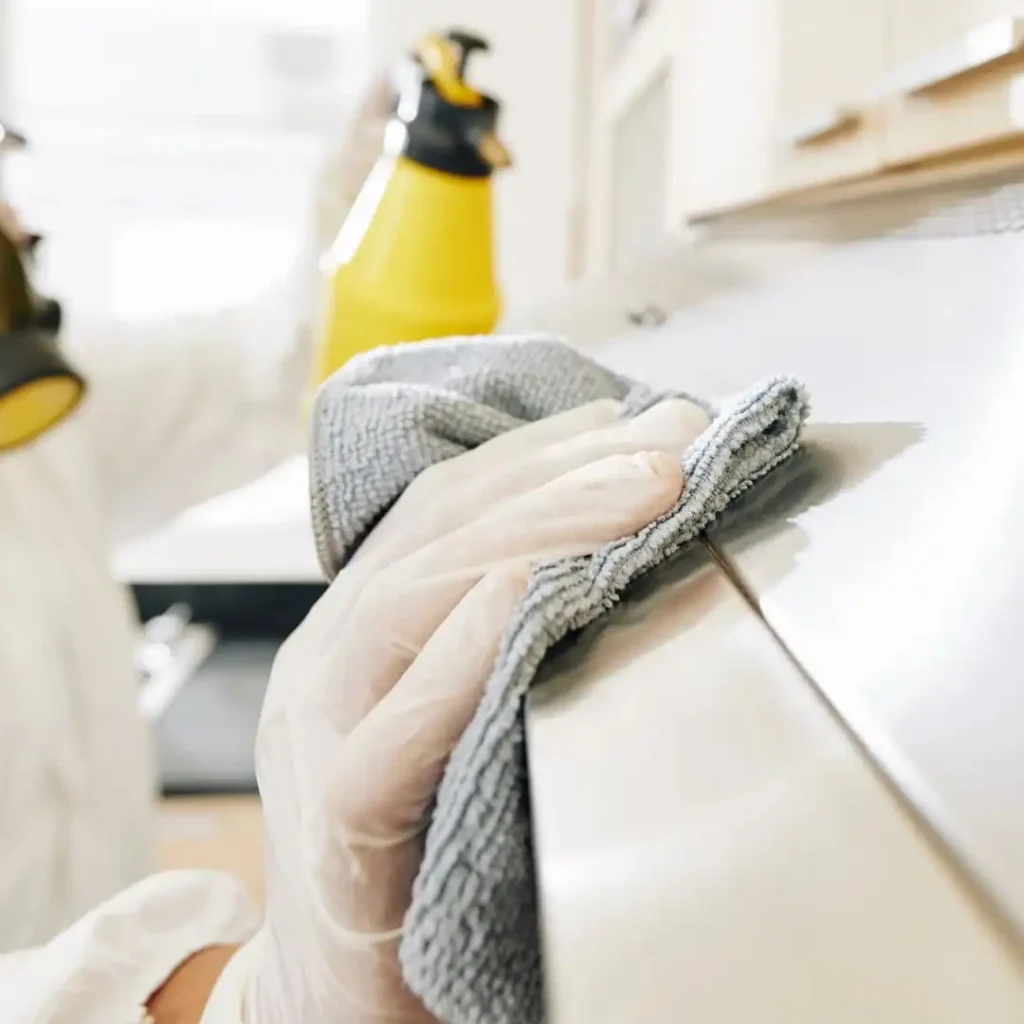
Our technicians remove visible mold growth and buildup from HVAC components such as ducts, coils, and vents using specialized tools and eco-friendly cleaning agents designed for air systems.
Cleaning and Disinfection
All accessible HVAC surfaces are cleaned with specialized antimicrobial agents to eliminate mold colonies. Advanced techniques, such as fogging or spraying botanical disinfectants, may be used for thorough coverage.
Drying and Moisture Control
Complete drying of the treated areas is essential to prevent mold from returning. Dehumidifiers and ventilation improvements are often installed or recommended to maintain optimal moisture levels.
Final Inspection and Clearance Testing
After remediation, a follow-up inspection ensures all mold has been effectively removed. Clearance testing may be performed to verify that mold spore levels have returned to safe standards.
What a fantastic company. Very professional and did a wonderful. They we’re friendly and helpful. We’re very happy with this company and would use their services again. 5 stars for sure!
They came the next day, on time, with a courtesy call before they arrived. They told me what they were going to do, they recorded a video of the problem, and explained what further steps we should take. Very professional and courteous.
Pricing varies based on the size of the affected area and the severity of mold growth. Forever Vent provides personalized estimates after inspection to ensure you get a fair price for the necessary remediation work.
What is the difference between mold removal and mold remediation?
Mold removal usually refers to completely eliminating visible mold, while remediation includes prevention of future growth and restoration of air quality. Forever Vent focuses on mold remediation within HVACs, which means inspecting, treating, and controlling mold for long-term safety.
Is mold remediation worth the cost?
Yes. Professional mold remediation protects your health and property by thoroughly removing mold spores and preventing recurrence. Forever Vent uses eco-friendly solutions and advanced techniques for lasting results.
Is it safe to live in a house during mold remediation within HVACs?
Depending on the extent of the mold infestation, it might be recommended to temporarily vacate the premises for your own safety. Our technicians assess each situation and may recommend precautions if the contamination is widespread or air filtration is temporarily offline.
How long should you wait before using your HVAC system after mold remediation?
Your technician will provide guidance on when it is safe to return, after ensuring mold spores have been properly removed and the area is safe for all occupants.
Can you remediate mold yourself?
Minor surface mold around vents might be cleaned, but professional remediation of an HVAC is recommended for contamination inside ductwork or coils to avoid spreading spores and to ensure proper disinfection.
How long are mold spores airborne after cleaning?
Mold spores can remain suspended in the air anywhere from several hours up to a few days after cleaning. The exact duration depends on factors like air circulation, humidity, and the cleaning methods used. Without proper ventilation or air filtration, spores may linger longer, increasing the risk of re-contamination.
What are the first signs of mold sickness?
Early symptoms of mold-related illness include respiratory issues such as coughing, sneezing, nasal congestion, throat irritation, and wheezing, especially when your HVAC is running. Some people also experience headaches, fatigue, eye irritation, or skin rashes. If symptoms improve when the system is off, it could indicate mold within your ductwork.
Do you have to replace ducts if mold is found?
Not always. In most cases, thorough cleaning and disinfection are enough. However, if ducts are heavily contaminated or moisture-damaged, partial replacement may be necessary to ensure long-term safety.
Is mold dangerous? How quickly does mold spread in an HVAC?
Mold can be harmful, especially for sensitive individuals, causing allergic reactions, respiratory problems, and other health issues. Mold spores can begin to grow within 24 to 48 hours when moisture is present, spreading rapidly in damp or humid environments. Early detection and prompt remediation are critical to limit health risks and property damage.
Manage Cookie Consent
We use cookies to optimize our website and our service.
Functional
Always active
The technical storage or access is strictly necessary for the legitimate purpose of enabling the use of a specific service explicitly requested by the subscriber or user, or for the sole purpose of carrying out the transmission of a communication over an electronic communications network.
Preferences
The technical storage or access is necessary for the legitimate purpose of storing preferences that are not requested by the subscriber or user.
Statistics
The technical storage or access that is used exclusively for statistical purposes.The technical storage or access that is used exclusively for anonymous statistical purposes. Without a subpoena, voluntary compliance on the part of your Internet Service Provider, or additional records from a third party, information stored or retrieved for this purpose alone cannot usually be used to identify you.
Marketing
The technical storage or access is required to create user profiles to send advertising, or to track the user on a website or across several websites for similar marketing purposes.