
Eliminate airborne bacteria, viruses, and mold with our advanced UV systems. Our certified experts install and maintain UV lights designed to keep your indoor air fresh and clean, all year round.
UV Air Purification Services in Phoenix, AZ
What Are UV Air Purifiers?
UV air purifiers are advanced air treatment systems that use ultraviolet (UV) light to eliminate airborne microorganisms such as bacteria, viruses, mold spores, and allergens. Installed inside your HVAC system, they continuously disinfect the air as it circulates, helping maintain a cleaner and healthier indoor environment.
Unlike standard filters that only trap particles, UV air purifiers actively neutralize harmful contaminants at a molecular level, preventing them from spreading through your ductwork or being recirculated into your living spaces.
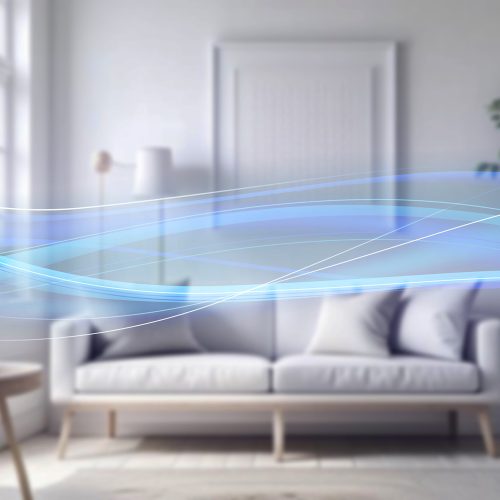
How Do UV Air Purifiers Work?
UV air purifiers operate by using short-wavelength ultraviolet (UV) light, a form of radiation known for its germicidal properties, the ability to kill microorganisms.
As air passes through the HVAC system, it is exposed to this UV light, which penetrates the cell walls of microorganisms and disrupts their DNA structure. This process renders them inactive, meaning they can no longer grow, reproduce, or cause any illness to humans.
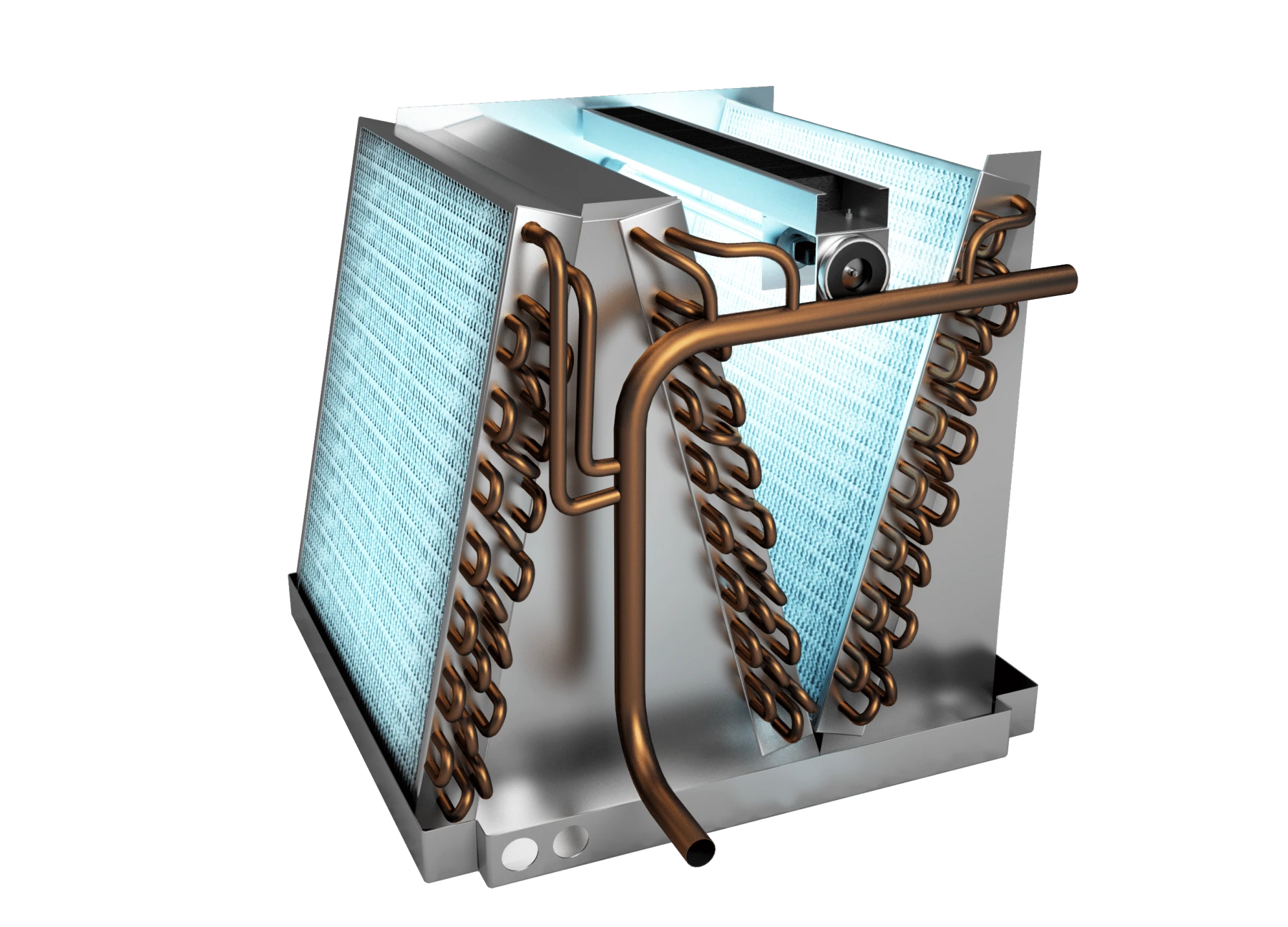
In most installations, our skilled technicians position the UV lamp strategically within the air handler or near the coils, where moisture and microbial growth are most common. This ensures continuous air sanitation. When paired with regular duct cleaning, the system significantly reduces airborne pollutants and helps maintain optimal indoor air quality throughout your home or business.
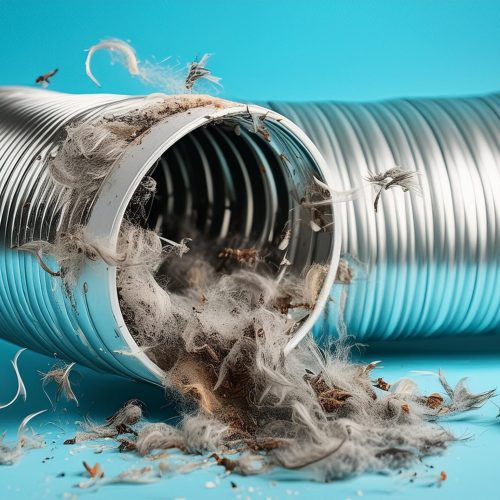
Common Airborne Contaminants UV Air Purification Targets
UV air purification targets many of these contaminants by neutralizing harmful microorganisms before they spread, helping you breathe easier every day.
- Mold Spores: These can grow in damp areas of your HVAC system, leading to unpleasant odors and potential respiratory issues.
- Bacteria and Viruses: Pathogens that circulate in the air can increase the risk of illness, especially in shared or high-traffic spaces.
- Allergens: Dust mites, pollen, and pet dander often trigger allergies and asthma symptoms.
- Volatile Organic Compounds (VOCs): Emitted by cleaning products, paints, and furnishings, VOCs can cause headaches, irritation, and long-term health effects.
- Dust: Fine particles that settle on surfaces or get inhaled, affecting air quality and aggravating respiratory conditions.
Breathe Cleaner, Healthier Air with Forever Vent's Advanced UV Technology
At Forever Vent, we prioritize the health and safety of our customers by utilizing the latest UV technology for air purification and HVAC system maintenance. Our advanced system works around the clock to reduce mold, bacteria, and other airborne contaminants, helping to improve indoor air quality while enhancing the efficiency of your HVAC system.
Experience the Benefits of Forever Vent’s Advanced UV Air Purification
- 24/7 Protection: Our UV systems work continuously to keep your HVAC system’s cooling coil, drain pan, and ductwork clean.
- Enhanced Indoor Air Quality: By targeting mold, bacteria, and allergens, our UV technology helps create a healthier living environment.
- Energy Efficiency: Clean HVAC components reduce system strain, improving energy efficiency and potentially lowering utility bills.
- Reduced Maintenance Costs: A clean system requires less frequent maintenance, helping you save on repair and service costs.
- Odor Reduction: Our UV technology includes activated carbon filtration to reduce odors, leaving your home smelling fresh.
- Ozone-Free Technology: Unlike some purification systems, our UV solutions are completely ozone-free, making them safe for residential use.
Our professional installation process ensures that our UV systems integrate seamlessly with your existing HVAC setup, providing long-lasting benefits for your home’s air quality.
🌿 Experience the Difference: Take control of your indoor air quality with Forever Vent’s UV air purification solutions. Even better yet, get the 10-Year Maintenance+ option to have this installed.
📞 Contact us today to learn more and schedule a consultation!




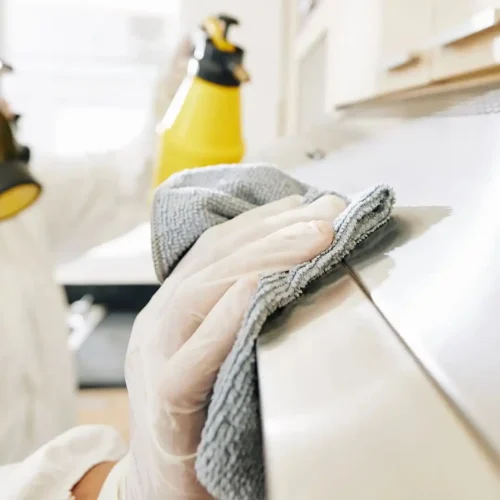
Signs You Need UV Air Purification
- Frequent Allergies or Respiratory Issues: Persistent sneezing, coughing, or wheezing indoors may be caused by invisible airborne germs and mold spores that traditional filters can’t eliminate.
- Musty or Moldy Odors: Lingering, unpleasant smells often signal mold growth within your HVAC system, which UV light can help neutralize at the source.
- Visible Mold or Moisture Problems: If you spot dampness or mold near vents or equipment, it is a clear indicator that fungal spores could be circulating through your air.
- Recurring HVAC Issues: Problems like dirty coils, clogged drain pans, or increased maintenance can result from microbial buildup, something UV purification helps prevent by keeping system components cleaner.
- Strong Focus on Health and Cleanliness: For homes or businesses committed to maintaining a healthy indoor environment, UV purification offers an extra layer of protection against unseen contaminants.
Comparing UV Air Purifiers With Other Air Cleaning Methods
HEPA (High-Efficiency Particulate Air) filters are widely used to capture common airborne particles. Using layers of fine fibers, they effectively trap particles as small as 0.3 microns, making them a strong choice for reducing visible allergens and keeping indoor air cleaner.
However, while HEPA filters are great at capturing particles, they don’t destroy microorganisms. Bacteria, viruses, and mold spores can remain trapped inside the filter and may even multiply if it isn’t replaced regularly.
That’s where UV air purifiers make a difference. Instead of trapping contaminants, they neutralize them. Using germicidal UV light, these systems deactivate harmful microorganisms before they circulate through your HVAC system, offering a deeper and more continuous level of protection against the airborne particles. For maximum effectiveness, HEPA filters and UV air purifiers can even work together: filters catch the dust, while UV light eliminates the germs that filters can’t.
Ionizers, also known as electrostatic purifiers, work by releasing charged ions into the air. These ions attach to airborne particles, causing them to clump together and fall onto nearby surfaces or collection plates. While ionizers can reduce dust and allergens, their effectiveness against biological contaminants like viruses or bacteria is limited. Additionally, some ionizers generate ozone as a byproduct, a gas that can irritate the lungs and pose health risks over time.
UV air purifiers, on the other hand, neutralize microorganisms at the molecular level using UV light. This process inactivates viruses, bacteria, and mold spores instead of merely removing them from the air. Moreover, UV systems don’t produce ozone or chemical byproducts, making them safer for continuous use in occupied indoor environments.
Activated carbon filters are designed to absorb gases, odors, and volatile organic compounds (VOCs) through a porous carbon surface. While effective for odors and gases, activated carbon filters can’t capture or neutralize biological contaminants such as bacteria, viruses, or mold spores. They need to be replaced frequently to maintain efficiency, especially in environments with heavy VOC exposure.
UV air purifiers focus on the biological side of air quality. They deactivate pathogens circulating through your HVAC system, providing continuous protection against germs that carbon filters can’t eliminate. For comprehensive purification, some systems combine both technologies, using activated carbon for odors and UV for microbial control.
Photocatalytic oxidation (PCO) technology combines UV light with a titanium dioxide (TiO₂) catalyst to break down pollutants into harmless byproducts like water vapor and carbon dioxide. It is a more complex system often marketed for its ability to neutralize VOCs, bacteria, and mold spores simultaneously.
While PCO can be effective, it may generate trace amounts of ozone, and its performance can diminish if the catalyst surface becomes coated with dust or residue. UV air purifiers destroy microorganisms without using additional chemicals or catalysts. This makes them simpler, safer, and easier to maintain while still providing powerful germicidal protection.



Areas We Serve for Decontamination Services
- Phoenix
- Apache Junction
- Avondale
- Awatukee
- Buckeye
- Cave Creek
- Chandler
- Deer Valley
- El Mirage
- Fountain Hills
- Gilbert
- Glendale
- Gold Canyon
- Goodyear
- Guadalupe
- Laveen
- Maricopa
- Mesa
- Paradise Valley
- Peoria
- Queen Creek
- Rio Verde
- San Tan Valley
- Scottsdale
- Sun City
- Sun City West
- Sun Lakes
- Surprise
- Tempe
- Tolleson
- Waddell
Frequently Asked Questions - UV Air Purification
Are UV air purifiers safe for pets and children?
Yes. Properly installed UV air purifiers are completely safe for pets and children because the UV light is enclosed within the HVAC system, preventing direct exposure to humans and animals. The system disinfects the air without releasing harmful radiation into living spaces.
Do UV purifiers require professional installation?
Yes, it’s best to have a professional install your UV purifier. Experts know exactly where to place the UV light inside your HVAC system for the most effective cleaning. Proper installation also ensures the UV light stays safely inside the system, so it won’t expose anyone in your home or business to direct UV rays.
How long do UV bulbs last before needing replacement?
UV bulbs generally last between 9,000 and 12,000 hours, which translates to about one year of continuous use. Over time, the UV output diminishes, so regular annual replacement is necessary to maintain effective air purification.
Do UV air purifiers actually work?
Yes, they do. UV air purifiers use UV-C light to kill bacteria, viruses, and mold spores by damaging their DNA or genetic material. This prevents these microorganisms from reproducing and spreading through your indoor air, ultimately improving the overall air quality inside your home.
Which is better, an air purifier or a UV light?
Both serve different purposes. Air purifiers filter out dust, pollen, and allergens, while UV lights kill germs like bacteria and viruses. Using both together gives you the best overall air quality and protection.
What are the side effects of UV air purifiers?
When installed correctly, modern UV purifiers have minimal side effects. Older or low-quality units might produce small amounts of ozone, which can irritate your lungs. High-quality UV systems, like those from Forever Vent, are ozone-free and safe to use daily.
Is it healthy to sleep in a room with a UV light?
Yes, it is safe. The UV light is installed inside your HVAC system and does not shine directly into your room, so there is no risk of exposure while you sleep. Your air is cleaned continuously without any harm.